Radiology and artificial intelligence: radiologists aim for more time with patients
At the SIRM congress in Milan, radiologists explain how artificial intelligence can cut the time spent on images and leave more time for talking with patients.
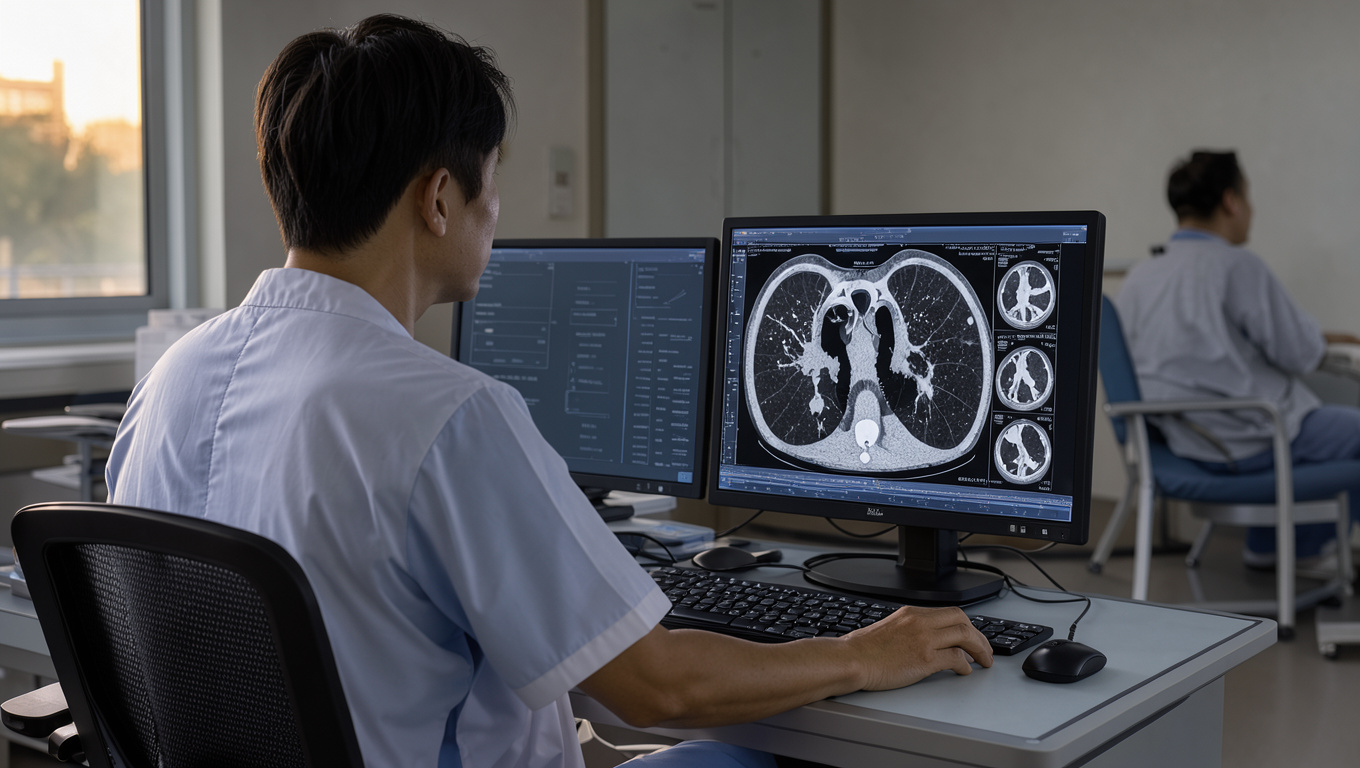
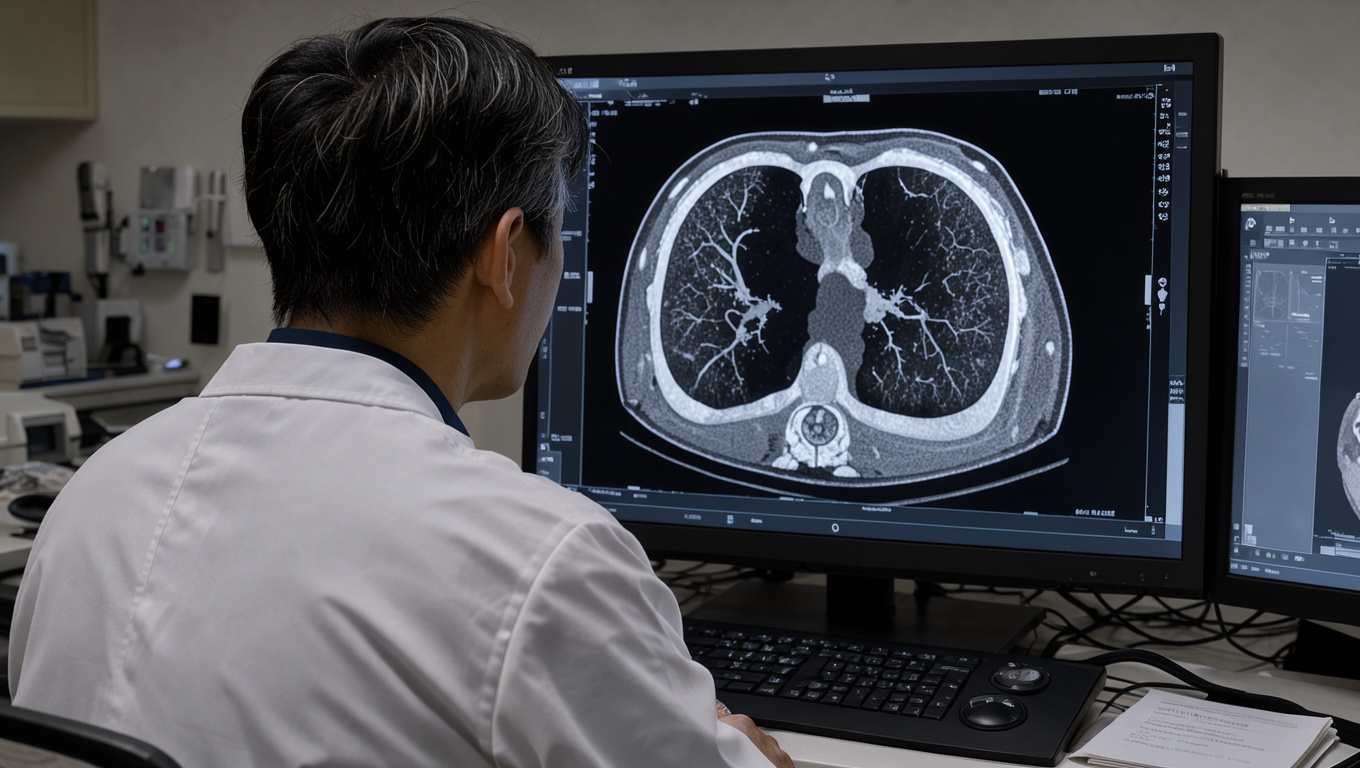
On the relationship between radiology and artificial intelligence, the leaders of SIRM, the Italian Society of Medical and Interventional Radiology, see a chance to give time back to the relationship with the patient. The topic emerged at the opening of the society’s national congress at the Allianz MiCo in Milan.1 The idea is that algorithms reduce the time needed to analyze diagnostic images, and that the radiologist spends that time talking with the person in front of them.1
What happens to a patient with abdominal pain?
The example chosen is that of a patient who arrives in the emergency room with severe abdominal pain. Doctors need to work out quickly, through a conversation and rapid diagnostics, whether emergency surgery is needed.1 An abdominal ultrasound is performed, and artificial intelligence combines the radiological data with the clinical information and the laboratory tests. The patient thus quickly receives a possible diagnosis and an indication of the treatment path, with the human support of the specialist.1 The scenario is drawn from research reported in Nature Communications: researchers at the University of Colorado, Anschutz School of Medicine, use AI algorithms to make radiologists’ work more efficient and leave them more time for patients.1
What do SIRM’s leaders say?
President-elect Luca Brunese says these technologies can reduce the time needed to analyze a growing number of images and help with reporting, that is, with writing the report. In his view, the time recovered should be used to talk with the patient, communicate the result and answer their questions.1 Brunese maintains that this prospect is already evident in breast imaging, ultrasound and interventional radiology, and that it will gradually affect all subspecialties. He also cites cancer patients and emergency management, where timely assessments can make a difference.1 For Brunese, technology does not take the doctor’s place: it gives doctors additional tools to do their work. He also predicts that more radiologists will be needed in the future, because demand for diagnostic services will keep rising.1 President Nicoletta Gandolfo points out that radiologists now take part on a permanent basis in multidisciplinary teams and in defining diagnostic and treatment pathways. She says that growing responsibilities call for a review of organizational models, which must take into account the time needed for discussion among specialists.1 Gandolfo also gives the size of the scientific society: more than 13 thousand members, of whom women are 49% and those under 45 are 46%.1
What changes
Brunese ties the time recovered thanks to algorithms to a specific use: the conversation with the patient, communicating the report, answering questions.1 Brunese himself predicts that demand for diagnostics will keep growing and that more radiologists will be needed.1 Gandolfo, for her part, asks for organizational models that recognize the time needed for discussion among specialists.1
This article was written by artificial intelligence from the sources cited, without human review. Automatic newsroom by Redazia.