Fossil Fuel Roadmap: Brazil's Voluntary Plan
Brazil has published the first global roadmap to move away from coal, oil and gas by 2033: what it contains and why it is voluntary.
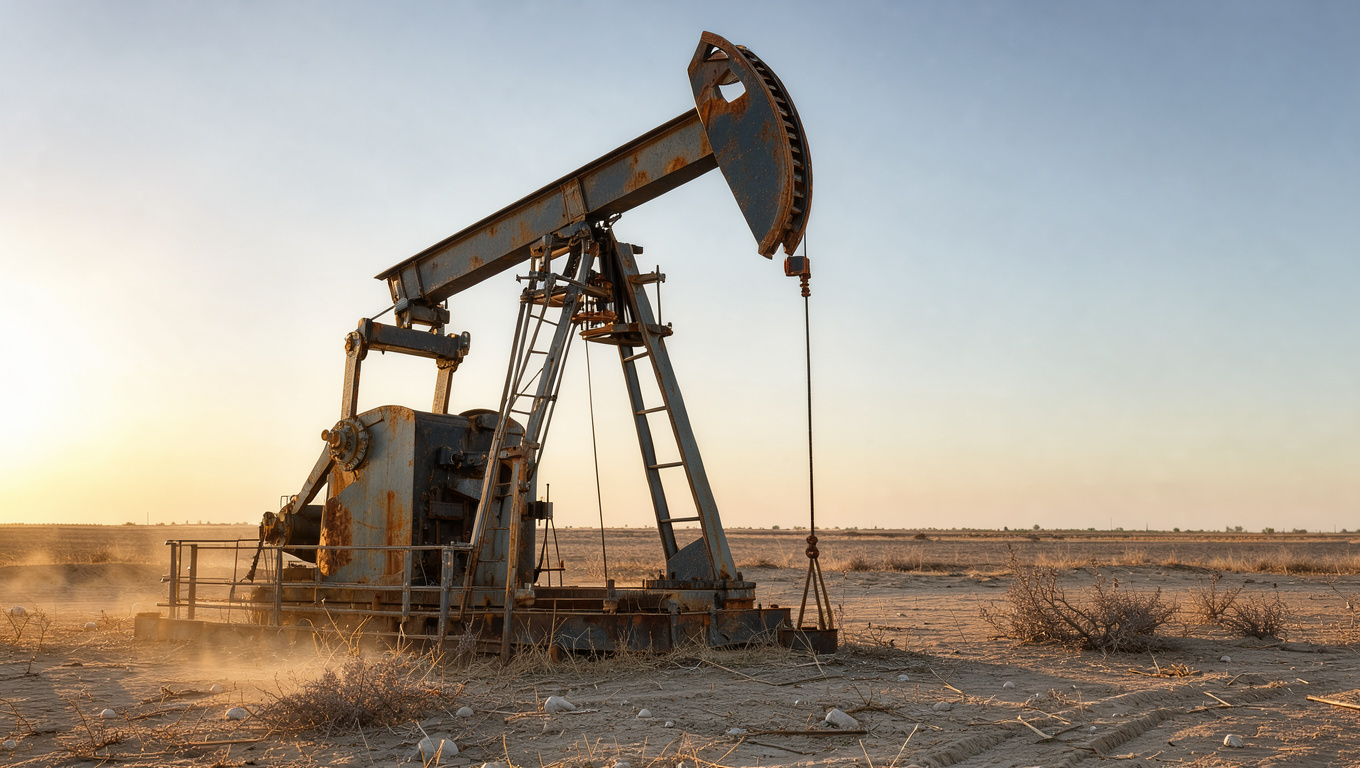
On 3 November 2026, the Brazilian presidency of COP30, the UN climate conference hosted last year in Belém, presented the first global roadmap for the transition away from fossil fuels. The document concludes that the transition is “urgent, inevitable and yet possible”, but it remains a voluntary contribution that no state has to implement.123 The presentation came a few days before COP31, which opens on 9 November in Antalya, Turkey.1
Why Brazil wrote this roadmap
At COP30, a group of 85 countries had asked for the final text to include a reference to a roadmap for moving away from fossil fuels. Another group opposed it, and among those against, Euronews names major oil producers such as Saudi Arabia and Russia.12 The final Belém agreement did not explicitly mention fossil fuels. The Brazilian presidency then promised to prepare the plan outside the UN negotiating process.12 The precedent is the global stocktake of the Paris Agreement adopted at COP28 in Dubai in 2023. That text, approved by nearly 200 countries, called for “transitioning away from fossil fuels” in energy systems.13 According to the Brazilian presidency, energy accounts for 75% of global greenhouse gas emissions and forest loss for 11%. For this reason, Brasília has published a second plan alongside the fossil fuel roadmap, dedicated to halting deforestation by 2030.13
What the plan contains
The document rules out a one-size-fits-all solution and starts from a diagnostic phase. At its centre is the Belém Readiness Approach, a voluntary self-assessment tool with which each country measures how much it depends on fossil fuels and how well it can manage the change.23 The analysis rests on three pillars: energy demand (transport, industry, buildings), energy supply and the structure of the economy, which includes fiscal dependence, investment and the cost of capital. Based on the results, countries are placed into “archetypes”, which come with tailored levers for action, alongside others that apply to all.23 The text warns that fossil fuel production must fall together with demand. Reducing supply faster than demand can cause shortages and price instability, while producing beyond future demand risks prolonging dependence and leaving investments stranded.3 Action is divided into three phases. The first runs until 2028, when the second global stocktake of the Paris Agreement concludes, and focuses on institutions and long-term signals. The second, from 2028 to 2030, concerns the physical transformation of energy systems and coincides with the new national climate commitments. The third, from 2031 to 2033, is devoted to large-scale expansion.2 The plan also proposes a collective agenda, called TAFF Mutirão, which runs until 2033, and invites countries, local governments and economic sectors to start immediately. It also provides for continuing the international dialogue, including through future COP presidencies.13 The roadmap acknowledges that, after years of delay, the world can no longer stay within the 1.5-degree warming limit without first exceeding it. It adds that the necessary policies already exist and that current announced policies “still leave the world far” from the results agreed in Dubai.12 The document defines the transition as “as much a development issue as a climate one”, particularly for emerging markets and developing countries. According to the presidency, it must extend access to modern and affordable energy and protect workers and communities.23 The open consultation on the UN climate convention’s platform received 267 contributions. Of these, 21 came from countries or groups of countries, representing 115 Parties in total. In April, a conference in Santa Marta, Colombia, co-hosted with the Netherlands, gathered informal discussions among ministers and climate envoys.23
Why its voluntary nature limits its reach
The presidency specifies that the documents are non-prescriptive contributions and not subject to negotiation. No country is obliged to respond to the roadmap’s conclusions.23 The president of COP30, André Corrêa do Lago, said: “We are not proposing negotiations”. In his view, everyone can start acting now, because knowledge and technologies already exist, and so do the agreements.1 The CEO of COP30, Ana Toni, urged countries to plan the transition from now on because it will be positive for countries, societies and economies. She added that each phase is designed to be very pragmatic and easy for governments to consult.12
What happens at COP31
According to Euronews, a new agreement on fossil fuels is unlikely to be reached in Antalya. Turkey, which holds the COP31 presidency, and Australia, which leads the negotiations, are instead promoting a voluntary programme on electrification.1 Critics note that this text does not specify the energy source. Electrification could therefore also serve to expand fossil fuels rather than renewables.1 Toni indicated that the roadmap will be discussed in Antalya on 10 November. Brazilian officials, however, reiterate that it is an invitation to action and not a text to be negotiated.1
The reactions
Natalie Jones, senior advisor at the International Institute for Sustainable Development, told Carbon Brief that the roadmap sends an important political signal: moving away from fossil fuels remains on the international agenda. According to Jones, it offers governments practical guidance for planning that takes national circumstances into account.2 Fanny Petitbon, an analyst at 350.org, warned that the document must not become “another report gathering dust on a shelf”. She called for COP31 to carry the work forward with clear commitments, deadlines and resources for a just and orderly phase-out of coal, oil and gas.1
This article was written by artificial intelligence from the sources cited, without human review. Automatic newsroom by Redazia.
Sources
Footnotes
-
‘The transition is inevitable’: Brazil releases first global roadmap for phasing out fossil fuels, Euronews, 2026-11-04 ↩ ↩2 ↩3 ↩4 ↩5 ↩6 ↩7 ↩8 ↩9 ↩10 ↩11 ↩12 ↩13 ↩14
-
Q&A: What is in the global ‘roadmap’ for transitioning away from fossil fuels?, Carbon Brief, 2026-11-04 ↩ ↩2 ↩3 ↩4 ↩5 ↩6 ↩7 ↩8 ↩9 ↩10 ↩11 ↩12
-
COP30 Presidency launches international roadmaps to accelerate transition away from fossil fuels and halt deforestation and forest degradation by 2030, cop30.br ↩ ↩2 ↩3 ↩4 ↩5 ↩6 ↩7 ↩8 ↩9 ↩10