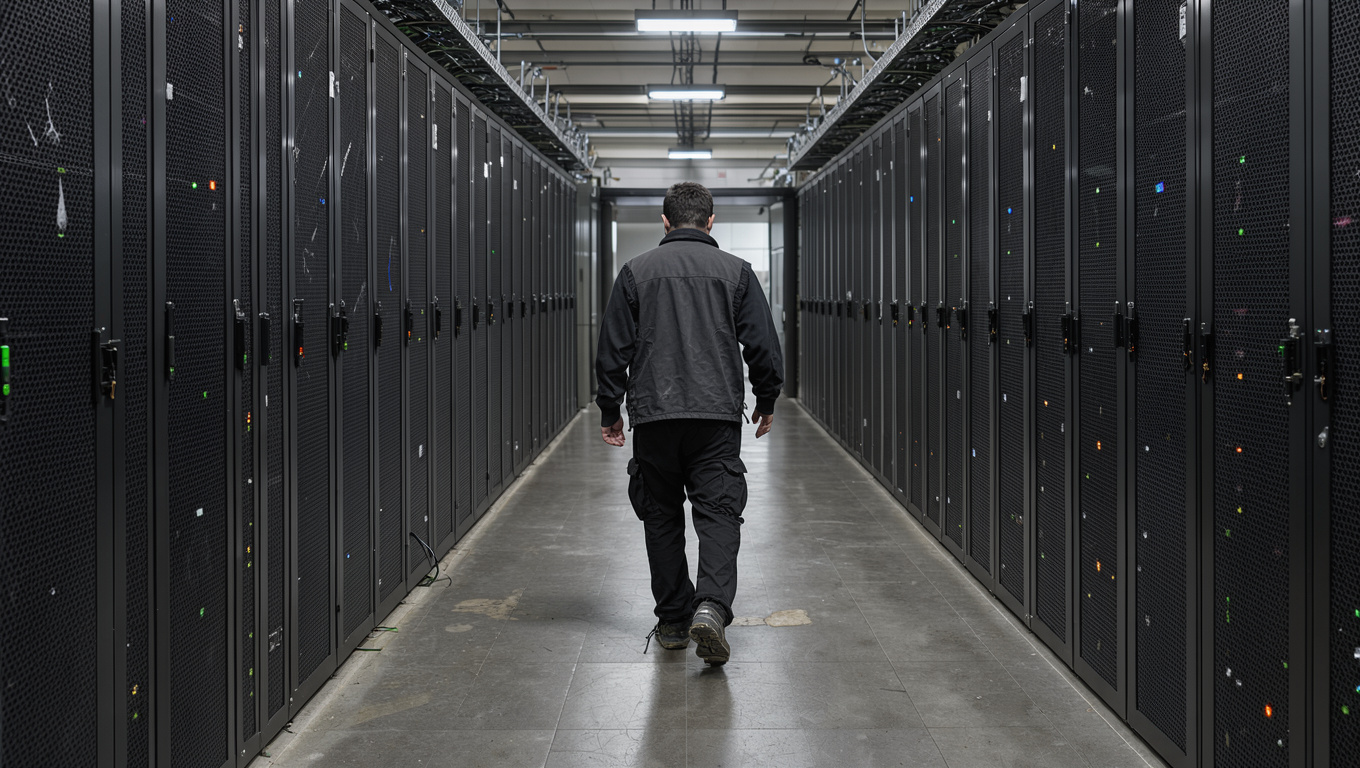
Data center referendums: in the US midterms, 46 of 47 went against new projects
In the US midterms, 46 of 47 referendums rejected new AI data centers. Results in Ohio, Illinois and Kansas, the Harwood exception and market reactions.
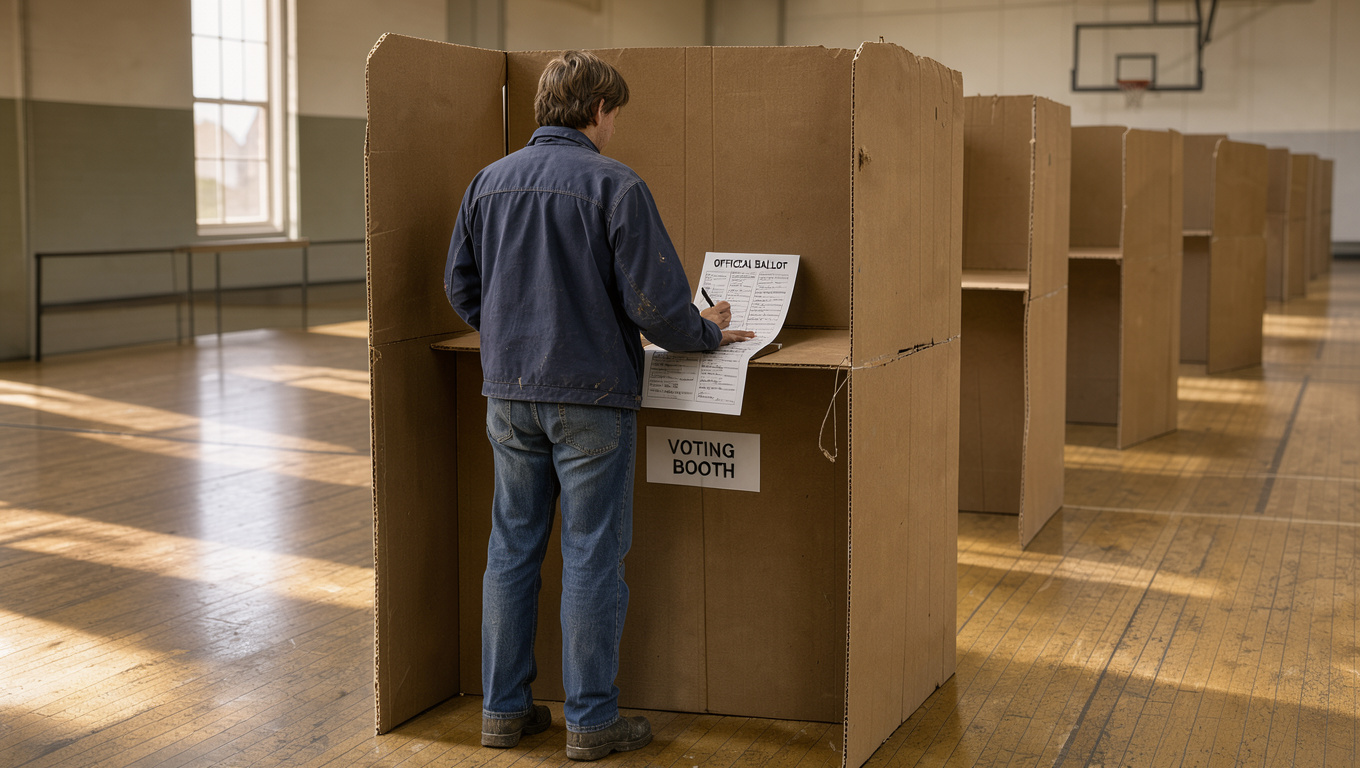
In the US midterm elections, voters in local communities rejected new data centers almost everywhere, the large facilities that house the servers AI runs on. Of 47 referendums, 46 ended with a win for the side opposing the projects, according to Hardware Upgrade, and Open counts the same number of wins for opponents.12 The only exception is Harwood, a small town in North Dakota.12 The vote had an immediate effect on the markets. On Friday Asian stock markets lost ground over fears that a Democratic-majority Congress would slow investment in artificial intelligence and data centers: Tokyo’s Nikkei closed down 5.96% and South Korea’s Kospi down 6.02%.3
Where voters went to the polls and the results
The largest number of local ballot questions was held in Ohio, 21, in a state where Trump beat Kamala Harris by 11 points in the last presidential election. In Sunbury, 79% of voters chose to ban data centers with an electricity demand above 25 megawatts; yes votes were 82% in Granville and 77% in Hubbard. In Trenton, 80% approved a halt to large facilities.12 In Illinois, all seven ballot questions came out against new facilities. Kansas, a Republican stronghold, also voted three times. In El Dorado, 72% wanted to block high-impact facilities, in Emporia 60% chose to exclude the largest ones, and in Ottawa 72% approved a cap on facilities that consume more than 25 megawatts.1 The four votes in Maine produced the same result. In Alhambra, California, 82% said yes to a ban on building new data centers, while in Edgewater, Florida, 77% voted against the construction of new facilities.1
Harwood, the only vote in favor
In Harwood, 76% of voters rejected the proposal to introduce additional checks before approving new industrial developments.12 An AI data center worth $3 billion is under construction on the edge of town, covering more than 100 thousand square meters. The project promises 200 jobs, about 20% of the town’s population.1
Why residents oppose data centers
The concerns are of three kinds: energy consumption, water use and impact on the land. The facilities need a great deal of electricity to run thousands of servers and water for cooling.1 According to Open, in many communities the projects have brought higher bills, more pressure on power grids and excessive use of water resources. Added to this is often a broader rejection of artificial intelligence, especially for certain uses considered ethically questionable.1 According to la Repubblica, stress on water resources and electricity costs weighed more heavily than the tech companies’ offers of compensation.4
Politics and companies after the vote
The issue had already entered the election campaigns. In June, New York approved the first statewide moratorium on new permits for hyperscale data centers, meaning very large ones. Trump sided with the tech companies and wrote on Truth Social that a community rejects a data center only if it wants to stay backward and poor.1 In Texas, Republican Greg Abbott, a longtime supporter of the AI industry, spoke of restrictions in rural areas in the final weeks of the campaign, but Democrat Gina Hinojosa won. In Ohio, Democrat Amy Acton became governor by promising more oversight of new data centers, and Keisha Lance Bottoms made a similar promise in Georgia.1 Hardware Upgrade reports that Meta fears a slowdown in its investments and that a crackdown on future projects is being prepared in Texas.2 According to data from the analytics firm Cleanview cited by Bloomberg, about 40% of the data center capacity under construction in the United States is in states whose newly elected governors have promised to block or suspend such projects.3
What changes
The results indicate that opposition does not follow party lines: the no votes came in Ohio and Kansas, states that voted mostly for Republicans, and also in California and Florida.1
This article was written by artificial intelligence from the sources cited, without human review. Automatic newsroom by Redazia.
Sources
Footnotes
-
Le Midterm accendono la rivolta contro i data center: 46 referendum bocciano i progetti delle Big Tech, Open, 2026-11-06 ↩ ↩2 ↩3 ↩4 ↩5 ↩6 ↩7 ↩8 ↩9 ↩10 ↩11 ↩12
-
Niente più datacenter? Gli elettori americani hanno mandato un messaggio chiarissimo alle Big Tech, Hardware Upgrade | il sito italiano sulla tecnologia, 2026-11-06 ↩ ↩2 ↩3 ↩4 ↩5
-
Tokyo e Seul in profondo rosso: perché la fuga dal tech dopo le midterm affonda le Borse in Asia, la Repubblica · Economia, 2026-11-06 ↩ ↩2
-
“Mai data center qui”, dalla Florida all’Ohio la rivolta dei piccoli centri fa tremare Wall Street, la Repubblica · Economia, 2026-11-06 ↩