Democrats and Big Tech: Hearings, AI and Data Centers After the Midterms
CEO hearings, data center moratoriums, the FRONTIER Act: the AI and Big Tech measures US Democrats are weighing after the 2026 midterms.
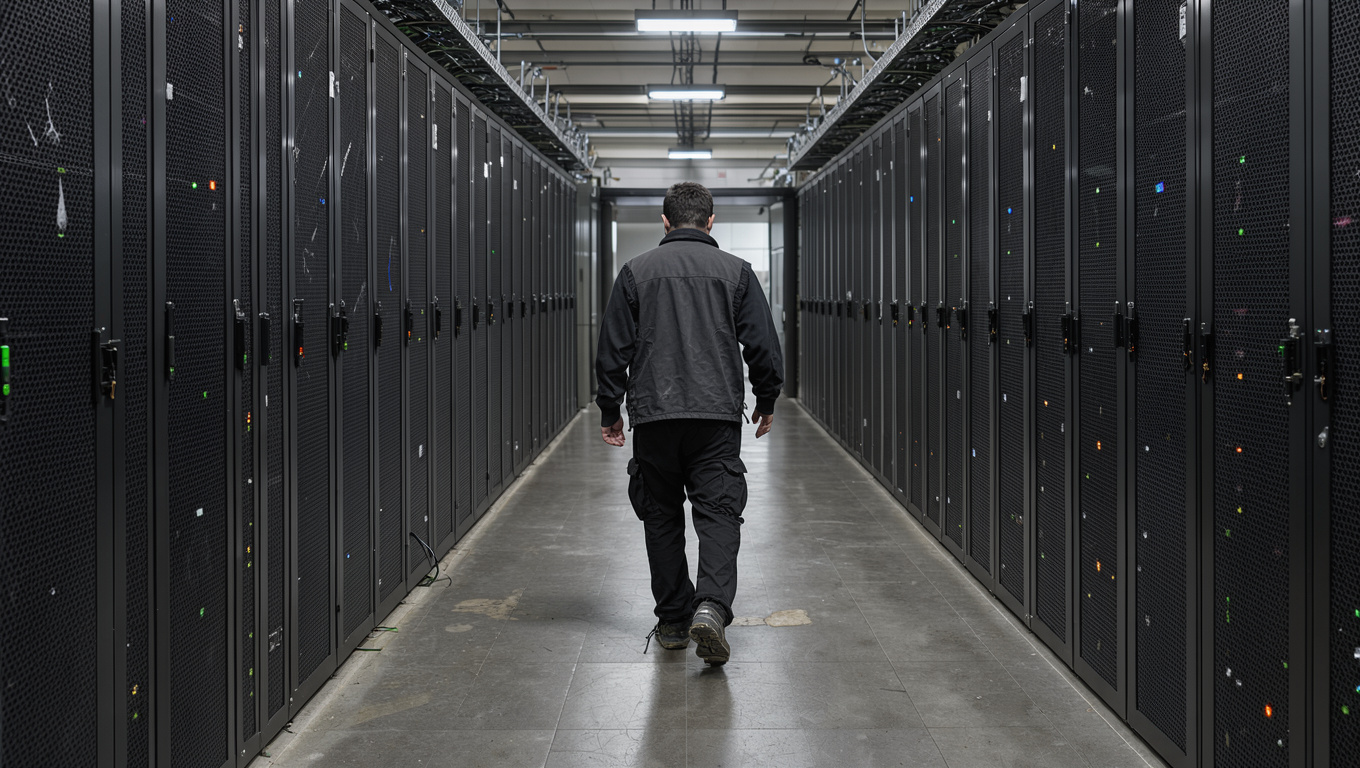
After the midterm elections of November 3, 2026, American Democrats control the House and the Senate and are preparing their first moves against the big tech groups: hearings with their chiefs, oversight of artificial intelligence (AI) and rules on data centers, the large computing facilities that power AI services.1 None of the bills under discussion has been passed. According to Agenda Digitale, all the projects mentioned remained proposals as of November 6, 2026.1
What powers will Democrats have from 2027?
When the new Congress is sworn in on January 3, 2027, Democrats will be able to chair committees, summon executives of tech companies, demand documents and bring to a vote measures on AI, data centers, competition and child protection.1 Texas Representative Greg Casar, chair of the Congressional Progressive Caucus, said that the CEOs of AI companies should testify under oath. Senator Ed Markey spoke of a wave of subpoenas. Frank Pallone, the lead Democrat on the House Energy and Commerce Committee, named consumer protection, the environment, clean energy and curbing the power of the big platforms among his priorities.1 Arizona Representative Yassamin Ansari wrote on X that a pause in the development of advanced AI, regulation of the sector and a ban on artificial superintelligence must be at the top of the Democratic agenda from day one. She also predicted congressional hearings, replying to Elon Musk, who had mocked her message.2
What proposals are on the table?
The initiatives differ in scope. The AI Data Center Moratorium Act, by Bernie Sanders and Alexandria Ocasio-Cortez, introduced in March 2026, calls for a temporary halt to new AI centers until national safeguards on jobs, the environment and utility bills are in place.1 The Ban Artificial Superintelligence Act is bill H.R. 10538, filed in the House by Casar with nine other representatives and referred to the Committee on Oversight and Government Reform. It creates a Department of Artificial Intelligence and regulates advanced systems, defined as those trained with computing power equal to or greater than 10 to the power of 25 operations.3 The bill also provides for a “mandatory pause”: a covered system could not be trained, modified or fine-tuned, except to remove the features that precede superintelligence or to render it inoperable. Agenda Digitale describes it as a moratorium on advanced systems, with a ban on superintelligence and a new federal department for AI.13 On child safety, the Kids Online Safety Act and other bills on privacy and chatbots had advanced in the Senate committee in August, and the process could restart in the new legislative term. The American Innovation and Choice Online Act, by Amy Klobuchar and Chuck Grassley, aimed at the exclusionary conduct of the big platforms, could return to the negotiations in 2027.1 After the vote, Sanders called on X for an immediate national moratorium on data centers, together with other newly elected Democrats. He said that Americans do not want Big Tech oligarchs who damage the environment, cut jobs and threaten the future of humanity.2
Why do data centers matter in the vote?
Agenda Digitale notes that in the towns asked to approve large computing hubs, the cost of electricity, the water consumed, the use of land and the economic benefits for the area became part of the election debate.1 Ballotpedia’s summary, updated to November 4, counts 46 outcomes in favor of restrictions out of 47 local measures decided. The exception is Harwood, North Dakota. The results are provisional and include advisory referendums.1 In Alhambra, California, the ban passed with 82% of the vote, and in Edgewater, Florida, with 77%. In Bloomington, Illinois, 78% said yes to a merely advisory moratorium on large facilities.1 In Texas, too, Governor-elect Gina Hinojosa, a Democrat, promised to protect Texans from data center projects after taking office in January.4
How are the White House and the markets responding?
With an executive order of June 2026, Donald Trump provided for voluntary testing of the cyber capabilities of the most advanced AI models, ruling out that these measures give grounds to impose mandatory licenses for developing or distributing them. The most interventionist Democrats, by contrast, are aiming for a new federal regulator and a pause in advanced development.1 On Thursday, November 5, Wall Street closed with its worst session since April 2025. Trump blamed the Democrats for that “black Thursday,” linking it to their plans to regulate Big Tech, confirmed his support for superintelligence and called the shutdown of data centers shortsighted.56 According to the Guardian, the industry fears delays in building infrastructure worth trillions of dollars designed for AI.2
What changes
The immediate change concerns Congress’s oversight tools: hearings, requests for documents and summonses do not require a law, and from 2027 they will be in Democratic hands. The moratoriums and the federal AI department remain proposals, however, and to become law they would have to get past the White House, which has already chosen voluntary checks.1 The FRONTIER Act, with a Republican sponsor, and the Klobuchar-Grassley bill, also bipartisan, suggest that measures on transparency and competition have a more workable chance of agreement than the pauses, which Agenda Digitale ties to the most interventionist wing.1 The local votes show that hostility to data centers exists outside Washington too, but Ballotpedia warns that the questions were worded differently and that the count does not measure the national percentage of voters. The link between the Democrats’ moves and the stock market session remains a claim by Trump.15
This article was written by artificial intelligence from the sources cited, without human review. Automatic newsroom by Redazia.
Sources
Footnotes
-
Big Tech sotto pressione: le mosse dei democratici dopo le midterm, Agenda Digitale, 2026-11-06 ↩ ↩2 ↩3 ↩4 ↩5 ↩6 ↩7 ↩8 ↩9 ↩10 ↩11 ↩12 ↩13 ↩14
-
Several Democrats renew calls for datacenter pauses after blue wave, The Guardian · World, 2026-11-06 ↩ ↩2 ↩3
-
H. R. 10538 (Introduced-in-House), govinfo.gov ↩ ↩2
-
Musk’s big bet on Republicans comes up short, The Hill, 2026-11-06 ↩
-
Trump nomina Miller capo di gabinetto e torna all’attacco: “Non mollerò mai”, Sky TG24 ↩ ↩2
-
Il fattore data center spinge l’onda blu. È finita la pacchia, il manifesto, 2026-11-06 ↩