COP31 without agreement: the clash over fossil fuels that stopped the summit
The UN climate summit in Antalya ends without a final decision: the EU rejects a text that does not mention fossil fuels. What happened and what remains open.
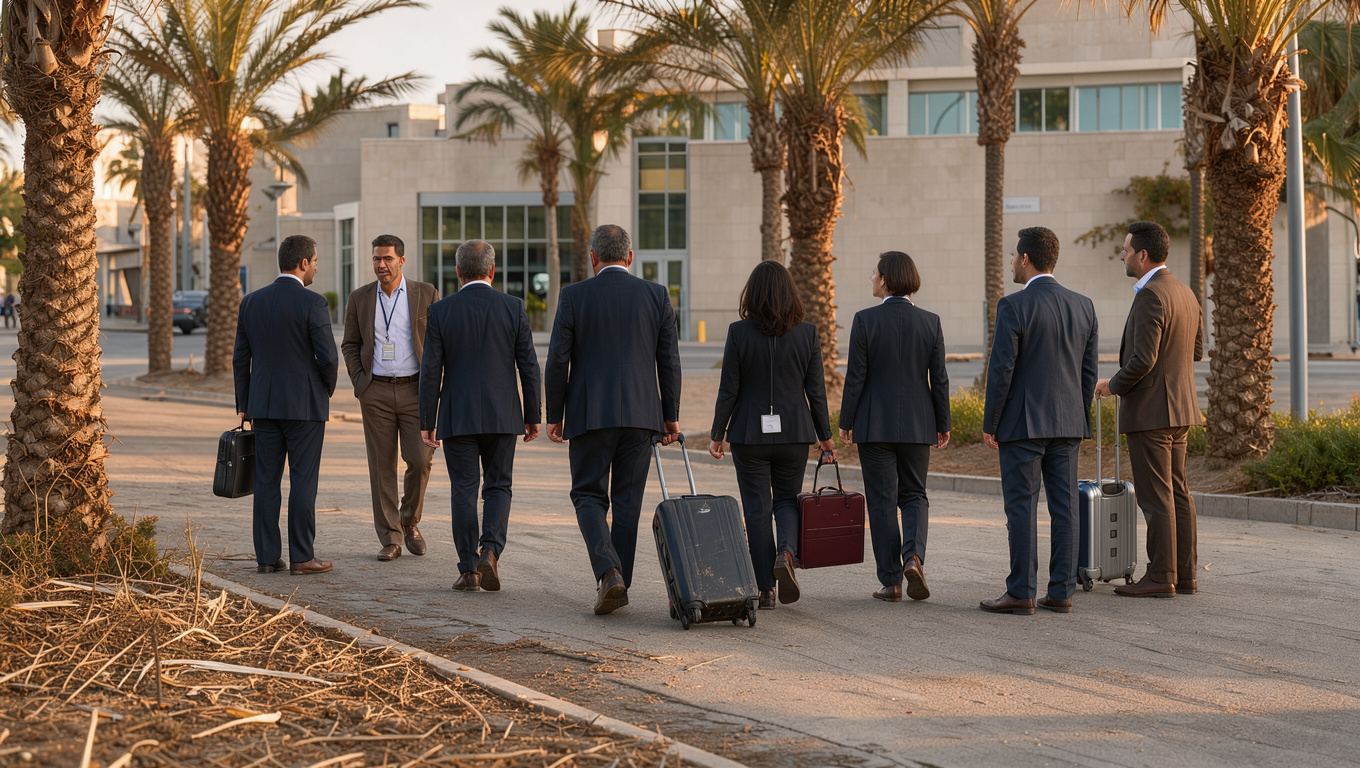
COP31, the UN climate conference in Antalya, Turkey, ended on Sunday 22 November 2026 without a final agreement. The European Union and other countries rejected the draft summary decision because it did not mention fossil fuels.1234 The conference president, Murat Kurum, acknowledged the lack of consensus and declared that the document would not be adopted.24
What happened in Antalya
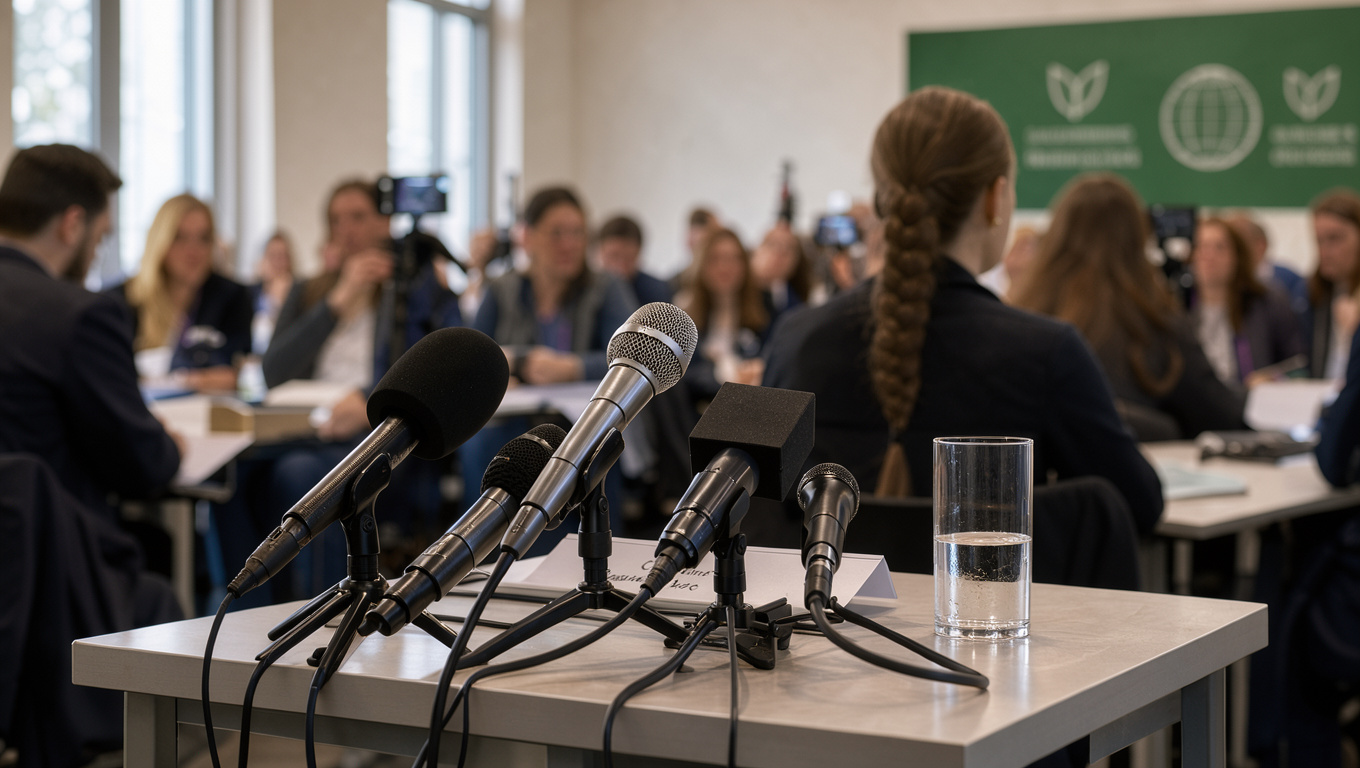
The negotiations ran two days over schedule. According to Dawn, it was the longest COP ever recorded, while RFI speaks of 44 hours of overtime.23 During the night a third version of the draft had been circulated to negotiators, called together for what the organisers presented as the closing session.5 The Turkish presidency brought the text to the plenary without further changes. Kurum had spoken of broad consensus and had invited the countries opposed to consider the consequences of a failure.4 Faced with objections, Kurum said there would be no new text. According to Dawn, he then left the stage while delegates were still speaking.2
What the clash was about
The sticking point was the language on fossil fuels. According to the New York Times, Saudi Arabia and other oil producers blocked any reference to a gradual phase-out of coal, oil and gas, and for this reason Europeans and vulnerable countries rejected the proposal.1 Speaking on behalf of the EU, Irish Environment Minister Darragh O’Brien said Brussels would not support a decision that does not even mention fossil fuels, identified as the main driver of climate change. He added that the Union accepts no steps backwards, nor a conference that engages in “greenwashing” on fossil fuels.64 According to the European delegation, the text contained no credible measures to keep warming below the 1.5-degree threshold compared with pre-industrial times. Adaptation commitments were insufficient, and too much space was given to carbon capture and storage technologies.4 Alongside Brussels, the United Kingdom, Norway, Panama, the Marshall Islands and the bloc uniting 44 least developed countries also said no. Supporting the draft were China, India, Saudi Arabia and the African Group.4 Fossil fuels were not the only sticking point, though: Chris Bowen, who co-chairs the talks for Australia, called the result “very disappointing” and named fuels and climate finance as the issues on which the agreement fell apart.2
What was adopted anyway
Since 2009, this is the first time the talks have ended without agreement on the summary text, which goes by the name “cover decision” in English and normally signals a general accord on climate action.7 A few more specific decisions were also approved: a programme would support workers and communities as they move away from fossil fuels, and a plan would measure how far adapting to climate change has advanced.7
Criticism from observers
Mohamed Adow, director of the think tank Power Shift Africa, called the third draft “a complete disaster” and urged countries to reject it. In his view it did not guarantee climate finance for the most vulnerable and relied on carbon removal technologies that he described as extremely expensive and unrealistic, “a gift to the fossil industry”.5 Adow also counted the verbs in the text. According to him, it “recognises” the crisis 40 times and “recalls” past decisions 15 times, but “decides” on actions only 5 times, on peripheral issues. These are his assessments, not data from the conference.5
What remains open
Without a summary decision, both the language on fossil fuels and the amount of funds that developed countries must provide to those hit by climate disasters remain unresolved.37 According to Daily Maverick, the lack of agreement also leaves open how the promise to triple adaptation finance will be kept. South Africa had put this issue at the top of its priorities.8
This article was written by artificial intelligence from the sources cited, without human review. Automatic newsroom by Redazia.
Sources
Footnotes
-
Bitter Clash Over Fossil Fuels Derails U.N. Climate Talks, The New York Times · World, 2026-11-22 ↩ ↩2
-
COP31 climate talks collapse as EU and others reject deal, Dawn, 2026-11-22 ↩ ↩2 ↩3 ↩4 ↩5
-
Cop31 climate talks collapse as EU rejects deal that omits fossil fuels, RFI · English, 2026-11-22 ↩ ↩2 ↩3
-
Cop31, salta l’accordo sul clima. L’Ue boccia il testo finale: «Non cita nemmeno i combustibili fossili», Open, 2026-11-22 ↩ ↩2 ↩3 ↩4 ↩5 ↩6
-
Cop31 live: new draft deal under scrutiny as divided talks risk longest climate summit ever, Latest news, sport and opinion from the Guardian, 2026-11-22 ↩ ↩2 ↩3
-
Cop31 climate talks break down as key deal rejected, The Guardian · World, 2026-11-22 ↩
-
UN’s COP31 Climate Conference Fizzles Out as Global Policy Divides Deepen, Inside Climate News, 2026-11-22 ↩ ↩2 ↩3
-
CLIMATE SUMMIT: West Coast fishers left waiting for help as COP31 ends without a deal, Daily Maverick, 2026-11-22 ↩