Cyber warfare and artificial intelligence: what "Guerra profonda" argues
Ransomware, DDoS, doxxing and disinformation: Arturo Di Corinto's book explains how conflicts between hackers and artificial intelligence are changing.
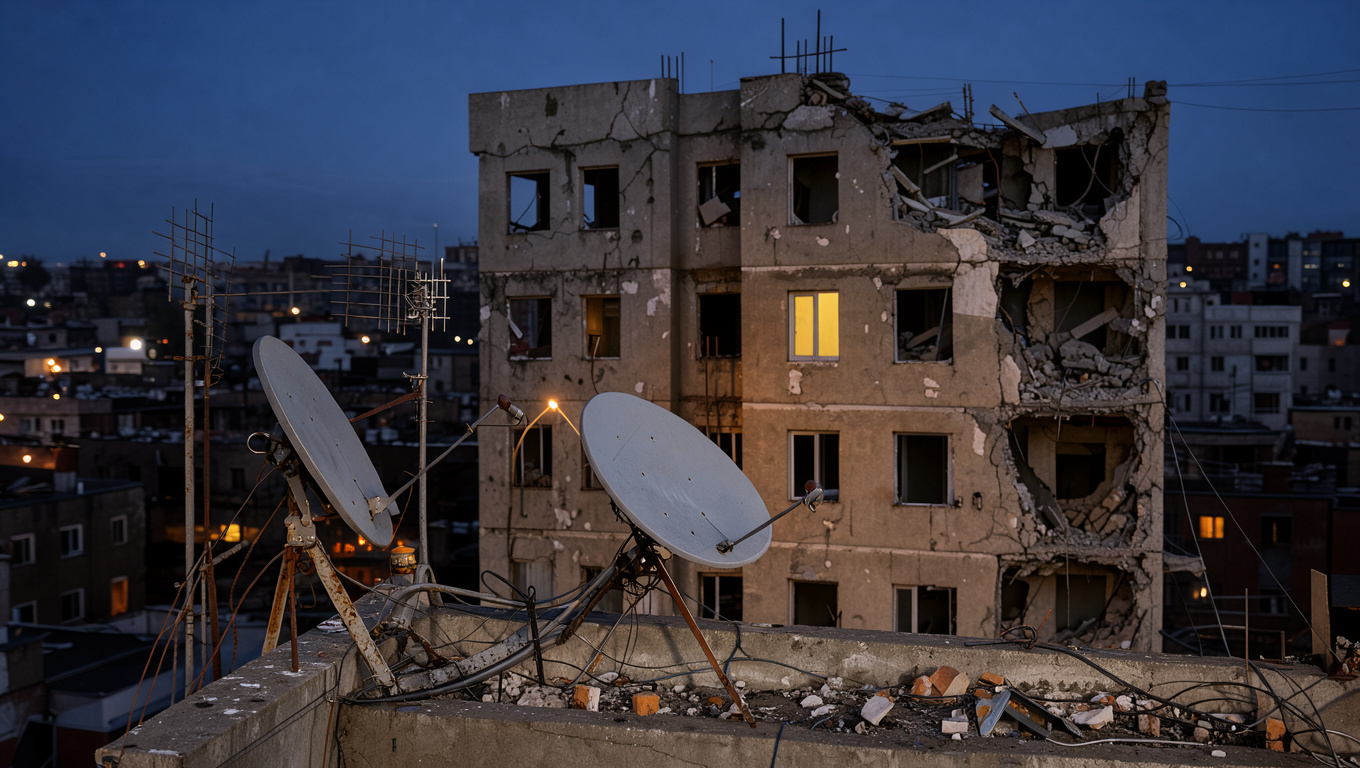
Cyber warfare, that is the use of cyberattacks and disinformation campaigns alongside military operations, is the focus of the essay “Guerra profonda” by Arturo Di Corinto, published by Luiss University Press.1 According to the book, in today’s conflicts classic military attacks coexist with cyber sabotage, disinformation campaigns and the manipulation of public opinion. Added to this is artificial intelligence, used as an offensive weapon.1
Who are the hackers at the centre of the book?
Particular attention is paid to the pro-Russian groups Killnet and NoName057(16), identified as protagonists of campaigns against Western institutions and infrastructure.1 Among the techniques mentioned is doxxing, the spreading of personal and confidential information, as well as DDoS attacks, which make websites and digital services inaccessible. In Italy they are countered by the National Cybersecurity Agency (ACN).1 According to Di Corinto, these operations do not always follow a political plan defined in advance. There would be a real business of cyberattacks, in which criminal interests, ideological drives and initiatives linked to intelligence services are mixed together.1
What role do espionage and disinformation play?
The book follows the actions of hackers and hacktivists in the main international crises, from the war in Ukraine to the one in the Middle East.1 Espionage, theft and publication of confidential documents become, according to the author, tools of psychological pressure that fuel confusion, fear and distrust in institutions.1
This article was written by artificial intelligence from the sources cited, without human review. Automatic newsroom by Redazia.