Telco and artificial intelligence: new revenues across cloud, edge and networks
At Mix's Salotto 2026, telcos discuss fibre, inference, edge, NaaS and Big Tech competition as they seek new AI revenues.
Telecom operators are looking for new sources of revenue in artificial intelligence, and they are doing so while Big Tech increases the pressure. The picture emerged from Salotto 2026, the annual event that Mix (Milan Internet eXchange), Italy’s main Internet traffic exchange point, holds for its partners and customers. The two-day event took place in Milan on 11 and 12 November.1
What Mix said about networks for AI
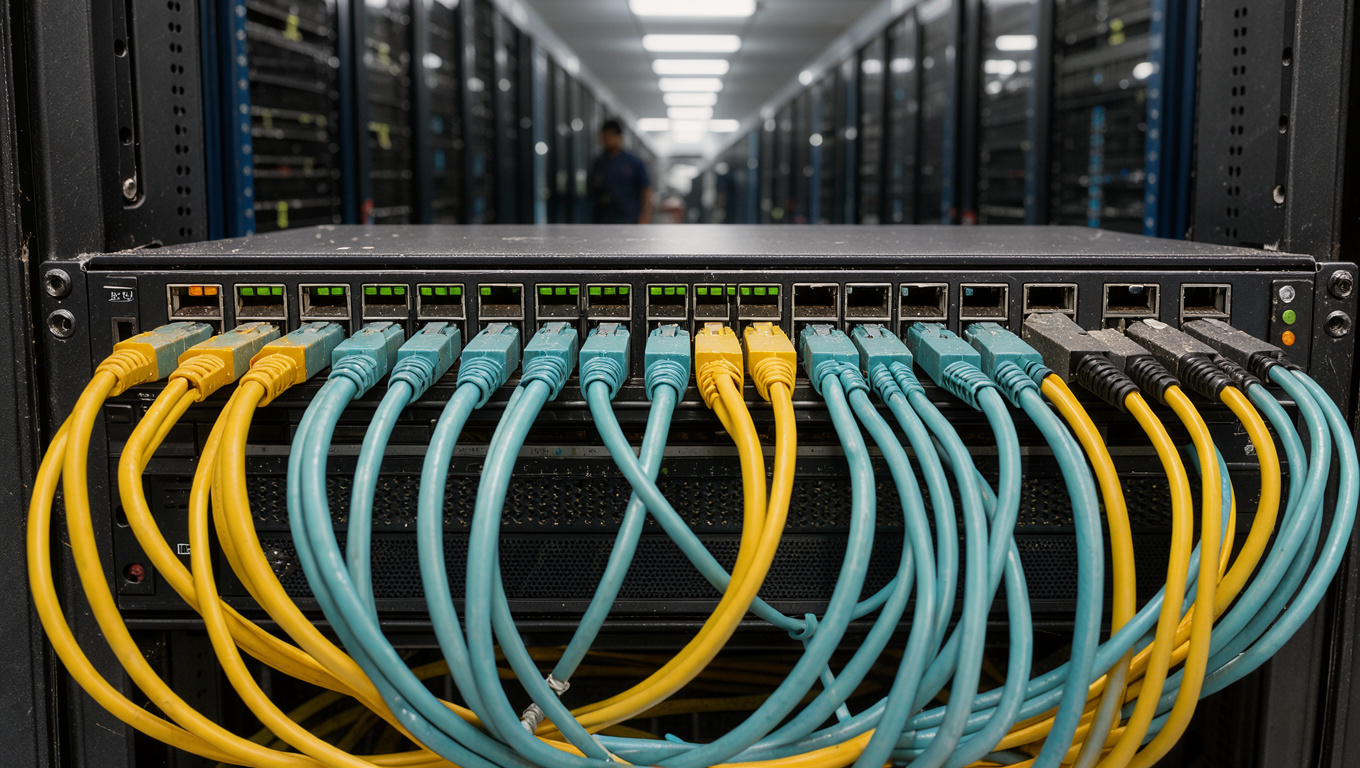
Alessandro Talotta, executive president and chairman of Mix, argued that the evolution of AI requires an extensive fibre optic network, capable of offering capacity and, increasingly, interoperability. For the training phase, that is, the training of models, networks have responded. Now, with inference and the actual applications, he believes architectures need to be rethought.1 Inference refers to the calculations needed to run models that have already been developed.2 Talotta speaks of a polarisation of data traffic and believes that supporting it probably requires a process of decentralisation. Mix’s task, he clarified, is not to create points of presence but to be located where the network aggregates the most. A new interconnection hub in the Trento area, Mix-Dolomiti, is planned, and it will join the ecosystem based on Mix’s switching platform.1 Mix intends to offer neutral and interoperable networks, built on high capacity, low latency and resilience. It will do so, Talotta said, while avoiding conflicts of interest now that competition with service providers is heating up.1
Big Tech, GPUs and network as a service
Caroline Gabriel, partner at Analysys Mason for Networks and Cloud Research, described IP communications as a set of elements that must work together as a global super network. In her view, those who build networks must also look at sustainability and energy efficiency. She recalled that around 200 billion dollars of investment is at stake globally, covering networks, cloud, IoT and space.1 According to Gabriel, the weight of infrastructure investment is shifting from fibre to GPUs (graphics processing units). In her judgement, the large technology groups began moving in 2025 and today are already the ones spending the most.1 To telcos, the analyst suggests software-defined architectures, that is, governed through software, able to handle asymmetric traffic and to last over time. The watchword is the NaaS platform, Network-as-a-Service, the network sold as a service. Networks, she added, can no longer be upgraded with the traditional approach.1 Operators are also evaluating their role in the quantum field, to derive value from new types of infrastructure: from quantum computing to quantum distribution of cryptographic keys. For Gabriel, the important thing is to move beyond the old assumptions about traffic, capital expenditure and infrastructure life cycles.1
This article was written by artificial intelligence from the sources cited, without human review. Automatic newsroom by Redazia.