INGV turns 90: from Marconi's Geophysics Institute to research on the Earth
On 15 November 1936 the National Institute of Geophysics, backed by Marconi, was born. How it became INGV, with volcanology and the Vesuvius Observatory.
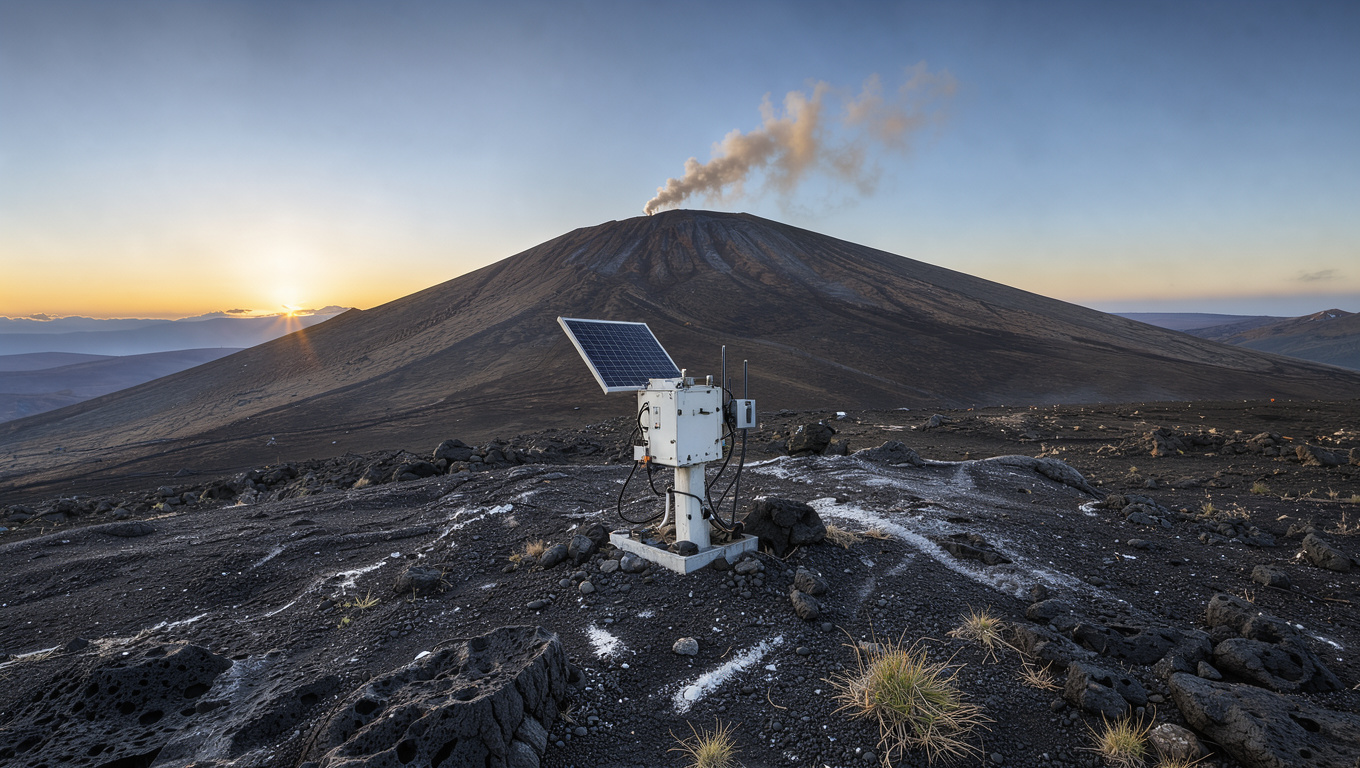
INGV, the National Institute of Geophysics and Volcanology, is celebrating 90 years of history: on 15 November 1936, the National Institute of Geophysics (Ing) was founded, and over time it evolved into today’s body, with the study of volcanoes added.1 The institute was brought to life by an idea of Guglielmo Marconi, who was then president of the National Research Council (Cnr).1
What Marconi’s idea was
According to AGI, this approach was new for those years: bringing research on the physical phenomena of the planet under a single coordination and encouraging the growth of geophysics and its applications.1 According to AGI, that idea opened a new era for Italian geophysical research and, over the following decades, fostered the development of scientific knowledge, skills and infrastructure for studying the planet.1
How we got to today’s INGV
Today’s INGV arose from the convergence of several scientific traditions. Besides the Ing, the Vesuvius Observatory, founded in 1841, and three Cnr institutes, based in Catania (international volcanology), Palermo (fluid geochemistry) and Milan (seismic risk research), also contributed to its creation.1 These were organisations with different histories, skills and specialisations. According to AGI, their integration created a large national body that studies the Earth, conducts scientific research and monitors natural phenomena.1
The president’s words
Fabio Florindo, who leads INGV, sees the anniversary as a way to remember an important chapter of Italian research and to recognise the value of Marconi’s idea, which he described as extraordinary.1
Why it matters
The history of the Ing is now part of INGV’s scientific and cultural heritage, but not the only part: the Vesuvius Observatory, founded in 1841, is older than 1936, the year from which the 90 years are counted.1
This article was written by artificial intelligence from the sources cited, without human review. Automatic newsroom by Redazia.